- Free Consultation: 612.246.4788 Tap Here To Call Us


Ways To Finance In-Home Care


In-home care is the preferred living arrangement for many aging seniors. However, many medical conditions and personal care needs as adults age can cause this to become more difficult due to cost. The cost of in-home care varies from place to place, but generally follows the cost of living. Places where the cost of living is lower usually have lower costs for in-home care and the opposite is also true. In areas with a higher cost of living, in-home care is generally more expensive. Another challenge of paying for in-home care is the strict limitations on using Medicare and Medicaid to pay for in-home care. However, it is possible to pay for in-home care. Let’s look at some of the options.
Medicare And Medicaid
Although these two options are more limited in the in-home care covered, there are occasions where they can be used to pay for in-home care. Medicare generally pays for in-home care services for a period of time and most often occurs for a time after a patient is discharged from a hospital or rehabilitation facility. Treatment generally would not be covered for a chronic condition. Medicaid rules vary from state to state but are often similar to Medicare. All programs cover short-term in-home care when the patient has an acute condition. Medicaid offers long-term coverage in some areas, but this is often limited to patients who are ill enough to qualify for nursing home coverage. This care must be provided by a Medicaid-certified care agency. With Medicaid, each state runs its program differently and coverage will vary from state to state.
Reverse Mortgage
A reverse mortgage is an option for paying for in-home care. If the senior, age 62 or older, owns a home outright or owes little on the home, they can apply for a reverse mortgage. A reverse mortgage gives seniors the option of using the value of the equity in their home to get cash. The bank enforces strict rules about taxes, maintenance, homeowner’s insurance, and mortgage insurance. Therefore, it is important to do research on reverse mortgages and find a reputable bank, to lower the risk of defaulting on the reverse mortgage. Another important consideration is the length of time that care may be needed, as compared to the value of the equity. If a senior decides the reverse mortgage is a good choice for them, the cash can be used to cover the cost of in-home care.
Veteran’s Aid And Attendance Benefits
Aid and Attendance is an often-overlooked benefit available to veterans who are paying out of pocket for care. Veterans who served on active duty for 90 days, with one day during wartime, and who were honorably discharged, may be eligible for aid and attendance benefits. However, the qualification process is not easy and many veterans become frustrated when trying to do so. As a result, the majority of veterans who may be eligible for the benefits never receive them.
Once qualified, a veteran can receive a monthly cash benefit, tax-free, to use for care. For veterans and their spouses, these benefits can be a major help in paying for in-home care. Surviving spouses of wartime veterans can also qualify for a monthly cash payment through the aid and attendance benefit.
Life Insurance
Life insurance is another possible way to pay for in-home care. If the life insurance policy is no longer needed to care for someone after death, it can be an option for paying for in-home care. A life insurance policy can be sold back to the company for a percentage of the value – usually 50 – 75%. This money can then be used to pay for in-home care. Many policies have flexibility, but some require the senior adult to be terminally ill. A policy with an Accelerated Death Benefit rider allows the policyholder to take a cash advance on the policy that is subtracted from the amount beneficiaries would receive. In this instance, the premiums are still paid and the policy still belongs to the policyholder.
Although in-home care is costly, the good news is that there are options available to help seniors pay for this care. The above are just a few options that may help seniors who wish to continue to live at home even when extra assistance is needed.
We help seniors and their loved ones find and pay for good long-term care using many of the options discussed above. We also create legal plans to protect the home and savings to make sure our clients never run out of money or options for good care. If you would like to learn more, please feel free to contact us. Please contact us at 612-246-4788 and schedule a free consultation to discuss your legal matters.
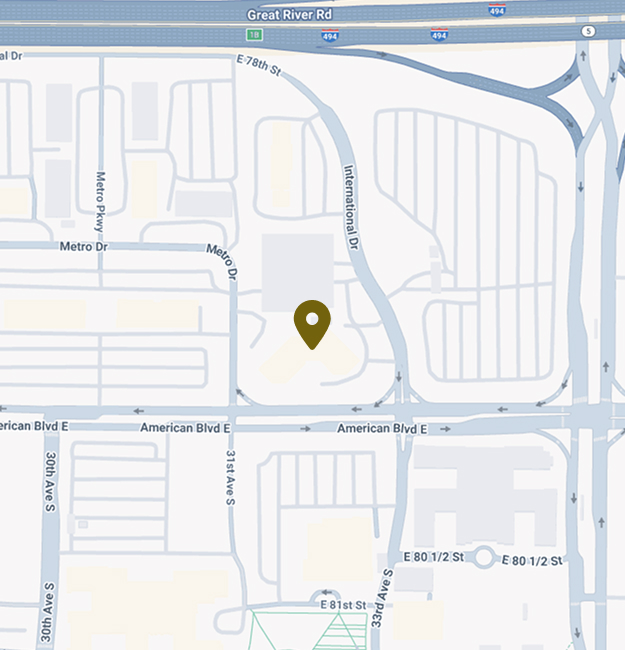
Our Location
Proudly Serving Bloomington, St. Paul, Minneapolis and the Surrounding Areas.